From Sivoham to AUM
Yesterday’s effort had a very deliberate intention: to hold the awareness of Sivoham — “I am Śiva.” The purpose was not philosophical reflection but living the day anchored in higher consciousness while navigating ordinary challenges. The practice was to maintain a kind of waking meditation, observing events and attempting to see beyond māyā in whatever arose. The day itself tested that intention in practical ways: a check seemingly lost in the mail, delayed correspondence from the pension company, and a long, detailed technical interview centered on AI and machine learning that demanded sustained mental effort. Yet each of these moments became part of the practice — reminders to return to the center rather than allowing irritation, worry, or distraction to take hold.
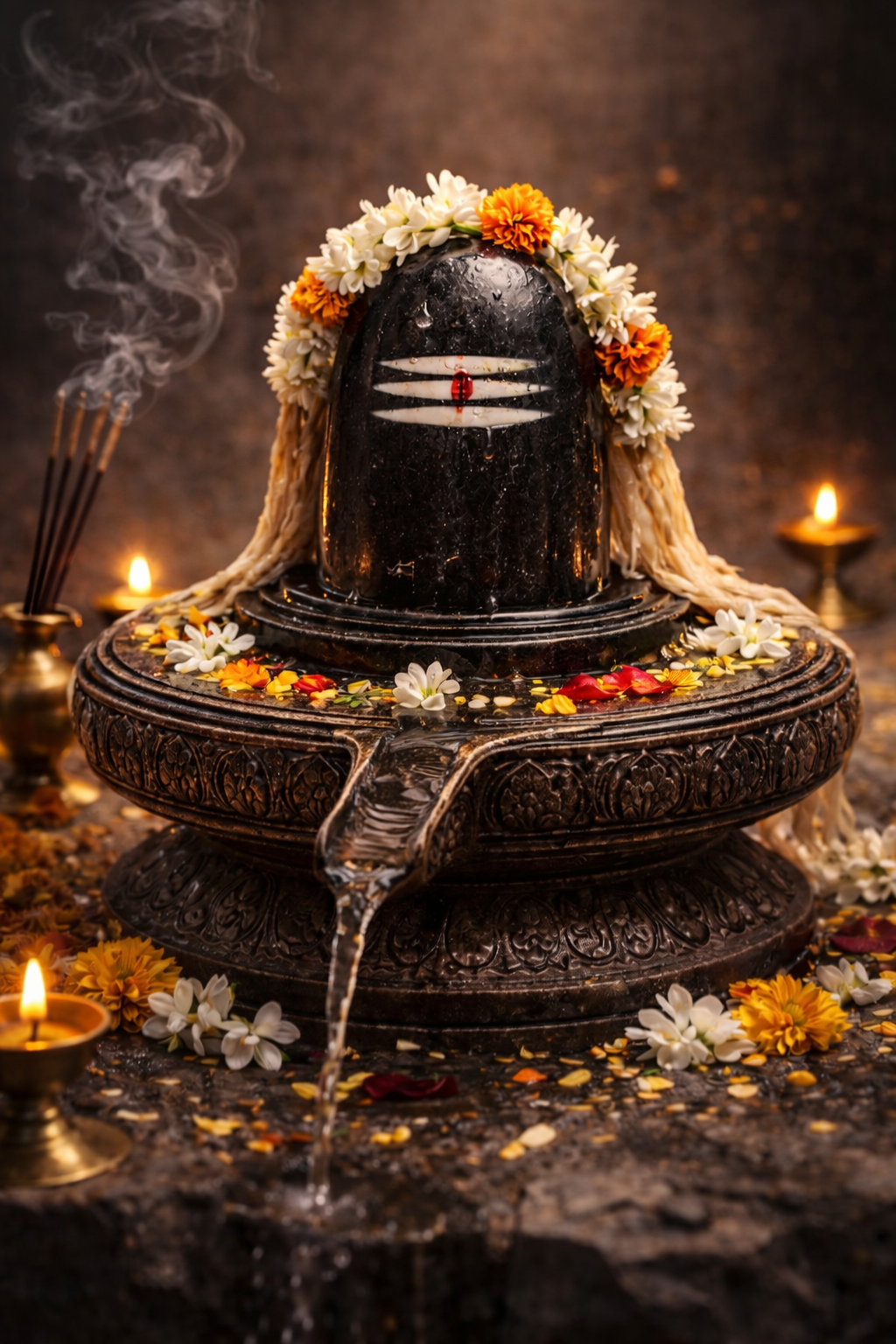
What became evident is that intention, when held sincerely, does not simply vanish into the background of the mind. When the body is sufficiently rested and the mind transitions naturally toward dream states, that intention seems to be acknowledged at a deeper level. In the early hours I had a dream of the Shiva Lingam, quiet yet unmistakable. By morning meditation the focus had shifted clearly to the third eye, the ājñā center, with a subtle but important refinement of the earlier practice. The contemplation of Sivoham seemed to evolve into a simpler and more primal rhythm centered around Aum (Om) — the foundational vibration underlying consciousness itself. The meditation carried the feeling of Ardhanārīśvara: Śiva as steady awareness holding the beat, while Śakti as the mind and thought moved with that rhythm but remained aligned with the center.
Within that state the imagery unfolded naturally. I saw a royal white horse and a powerful black horse facing one another diagonally — two forces in recognition rather than conflict. The white horse felt like pure consciousness and clarity, while the black horse represented the overpowering pull of māyā and instinctive darkness. The message seemed less about eliminating one force and more about awareness illuminating both.

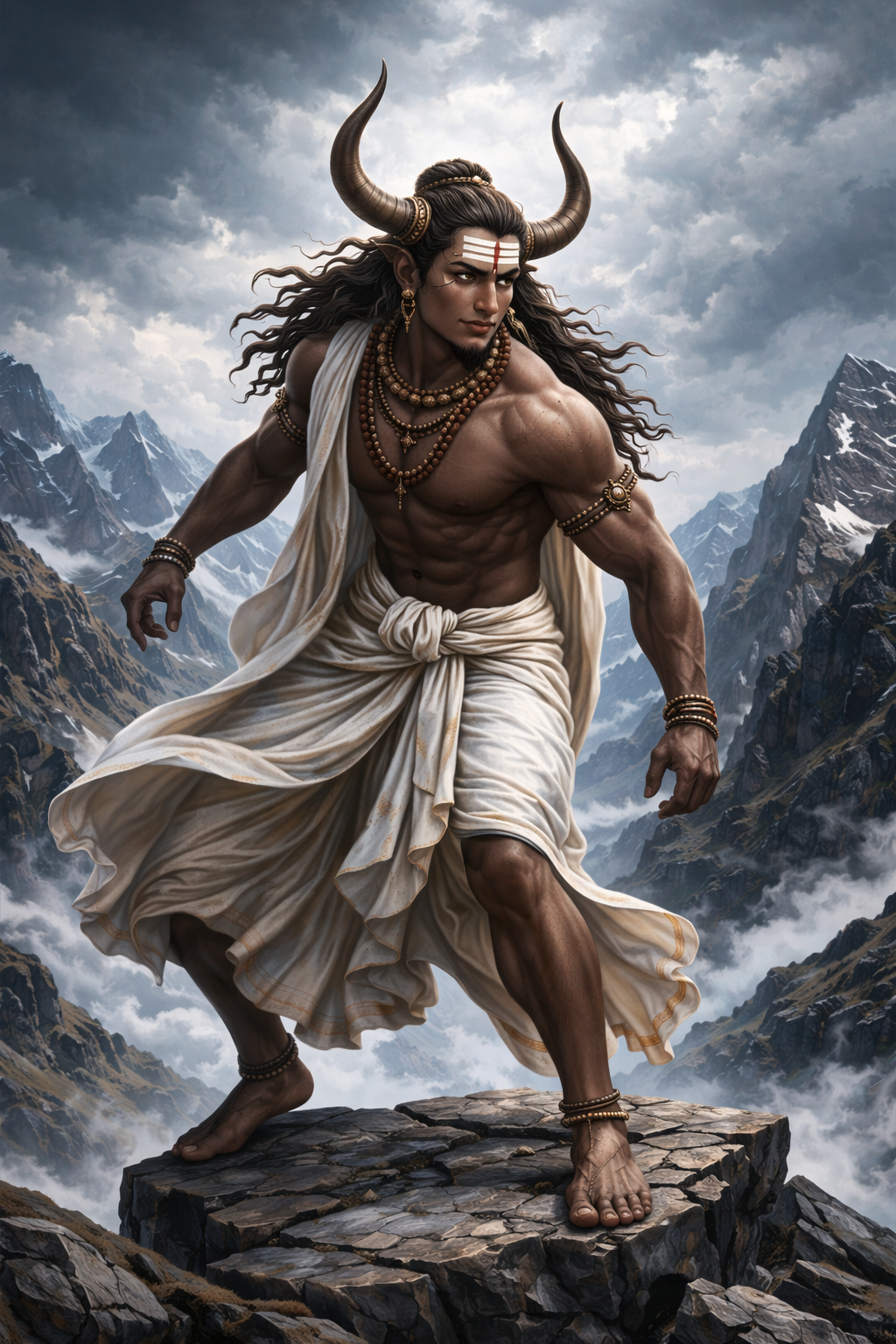
Later in the day another presence appeared: Nandi, though not in the familiar seated bull form seen in temples. Instead, the figure was humanoid with a Śiva-like face, dark-skinned and marked with the three ash lines of tripuṇḍra on the forehead. He stood slightly turned, almost rising from a seated posture as if preparing for action.
Looking back, the sequence carried a clear inner teaching. Holding a sincere intention — even amid the mundane struggles of daily life — seems to influence the deeper layers of consciousness when the mind enters rest and dream. That intention then returns during early morning meditation as insight. In this case the progression moved from the contemplative affirmation of Sivoham to the more fundamental rhythm of AUM, from intellectual affirmation toward direct vibrational awareness. And the appearance of Nandi seemed to close the sequence with a simple reminder: beyond insight and practice, the path ultimately requires bhakti — the humility of becoming the faithful devotee who remains steadfast before Śiva.